Connecting the World of Natural Stone and Travel
The global stone industry is built on timeless materials and modern connections. From international stone fairs and export logistics to hotel choices and Indian travel options, today’s professionals need more than just product knowledge. They need a roadmap that combines market insight, event strategy, and practical travel planning. This guide brings those elements together for visitors who follow stone-focused platforms and want to make the most of worldwide opportunities.
The Global Stone Industry at a Glance
Natural stone has evolved from a purely local resource into a global business supported by digital platforms, international fairs, and integrated logistics. Architects, distributors, project developers, and quarry owners now collaborate across continents, relying on both physical exhibitions and online networks to stay informed and competitive.
In this environment, keeping track of where to source, where to exhibit, how to travel, and how to manage shipments is just as important as the stone itself. A well-planned strategy can transform a single trade visit into a long-term commercial pipeline.
Why International Stone Fairs Still Matter
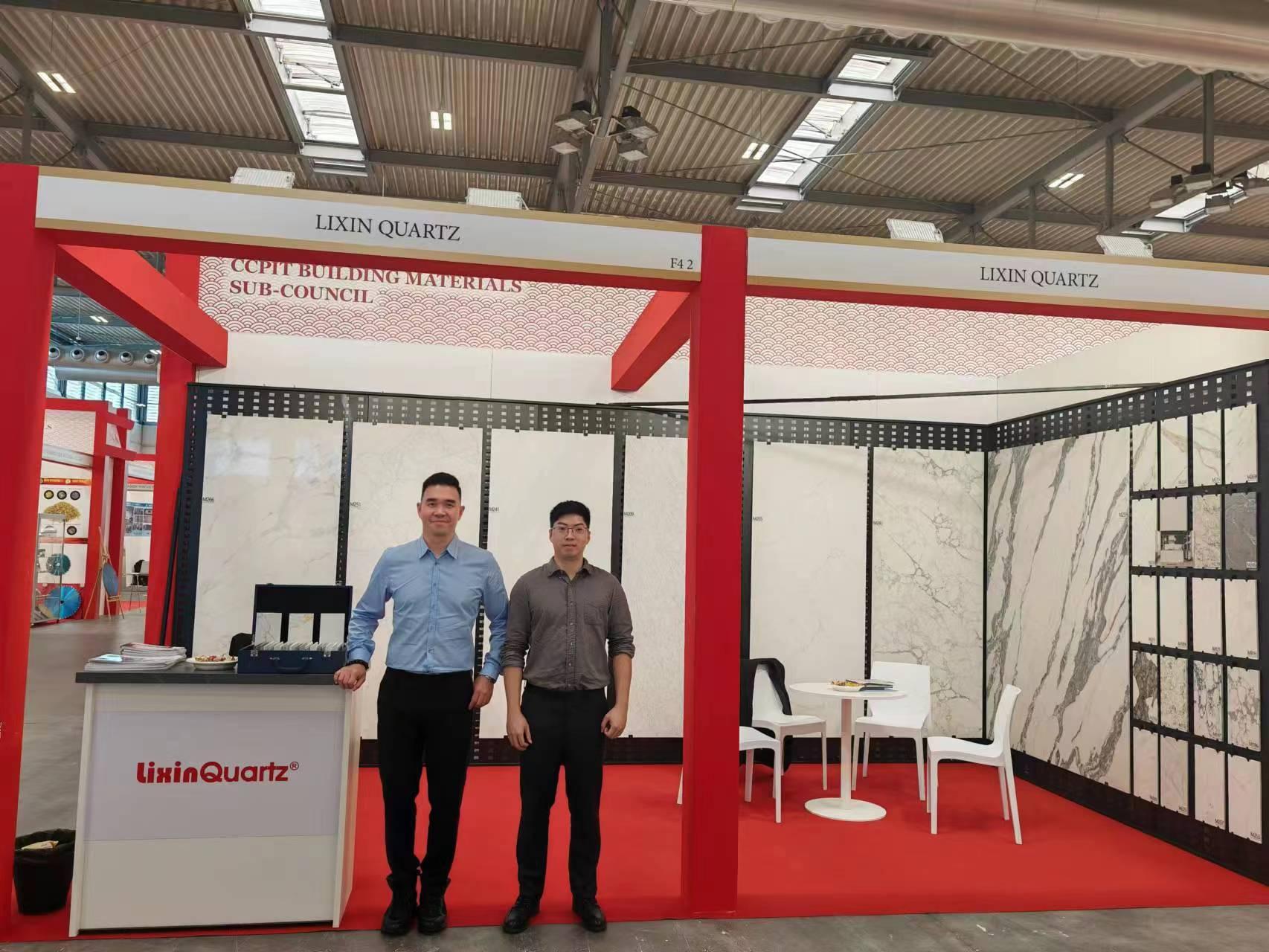
Despite the rise of digital catalogs and online galleries, international stone fairs remain the heartbeat of the industry. They provide the setting where surface finishes can be touched, colors evaluated in natural light, and long-term partnerships initiated face-to-face. Exhibitors showcase the latest quarry outputs, finishing technologies, sustainability solutions, and design trends, while visitors benchmark suppliers and explore new markets.
Key Benefits of Attending Stone Fairs
- First-hand material selection: Evaluate real slabs and tiles instead of relying solely on photographs or samples.
- Supplier comparison: In a single trip, compare pricing, quality, and service conditions from many producers.
- Networking with decision-makers: Meet quarry owners, exporters, importers, and project consultants in one place.
- Trend discovery: Discover new surface finishes, bookmatching ideas, thin stone technologies, and sustainability initiatives.
Planning Your Visit to Leading Stone Exhibitions
To maximize the value of each fair, preparation is essential. Start by setting clear objectives: Are you looking for new materials, regional distributors, project collaborations, or machinery suppliers? Once your goals are defined, create a schedule around the most relevant seminars, pavilions, and exhibitor booths.
Pre-Fair Strategy
- Define your target stone categories (marble, granite, limestone, engineered stone, onyx, slate, etc.).
- Shortlist exhibitors that match your sourcing needs and book meetings in advance.
- Prepare stone specifications and project briefs to share quickly and clearly during discussions.
- Allocate dedicated time for trend exploration beyond your main buying list.
On-Site Best Practices
- Carry a structured checklist to evaluate suppliers: quality, consistency, packaging, lead times, and after-sales service.
- Take detailed photos and notes of slabs, pallets, and booth displays to revisit after the fair.
- Collect catalogs but also ask for digital versions to streamline your documentation.
- Attend technical sessions on standards, testing, and sustainable quarrying where available.
From Exhibition Hall to Shipping Lane: Logistics for Stone Trade
Once new supply relationships are established, the next challenge is moving stone efficiently and safely across borders. Natural stone is heavy, fragile, and high-value, so professional logistics are indispensable. International carriers and shipping lines with dedicated services to and from India and other stone-producing hubs help ensure that consignments reach ports and project sites securely.
When planning containers, factor in the product type (slabs vs. tiles), packaging method (wooden crates, bundles, A-frames), and the shipping route most suitable for your destination. Door-to-port and port-to-door services can be combined with inland transport to simplify the process for buyers and suppliers alike.
Key Considerations for Stone Shipments
- Weight and volume planning: Optimize container loads to balance freight cost and safe handling.
- Packaging quality: Insist on robust, moisture-resistant packaging and clear labeling.
- Insurance: Protect high-value consignments with appropriate cargo insurance for breakage and loss.
- Customs documentation: Ensure that invoices, packing lists, and certificates are complete and compliant.
Integrating Indian Travel Into Your Stone Business Itinerary
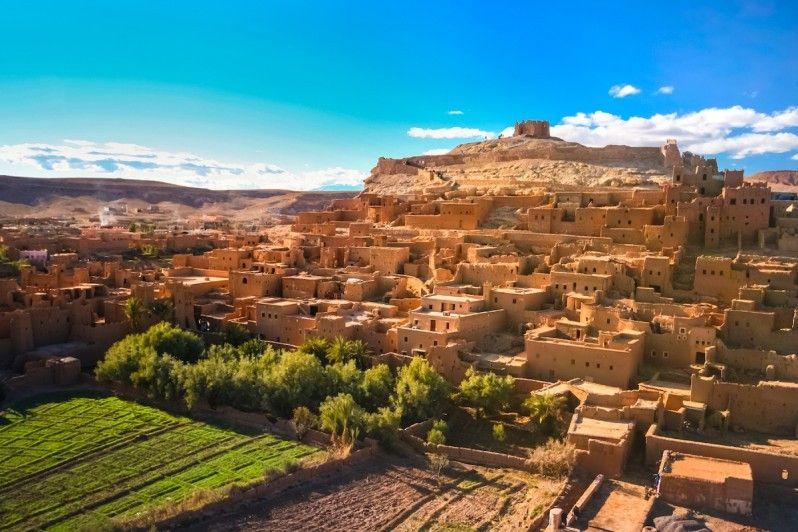
India is a powerhouse in granite, sandstone, limestone, slate, and quartzite, making it a priority destination for buyers and project planners. Combining business objectives with efficient travel planning allows professionals to visit multiple quarry belts and processing clusters in one trip. Modern Indian travel platforms help streamline domestic flights, rail journeys, and hotel bookings, enabling visitors to focus on meetings, factory tours, and material inspections.
When designing an itinerary, consider the primary stone regions you need to visit, estimate travel time between cities, and leave some buffer days for unexpected site visits or additional supplier meetings discovered during your trip. This approach turns every journey into a comprehensive market survey of India’s stone capabilities.
Tips for Planning a Business Trip Around Stone Hubs in India
- Group visits by region (for example, North India for sandstone, South India for granite) to minimize travel time.

- Use domestic travel platforms to compare routes, schedules, and price options for internal flights and trains.
- Confirm site access, factory working hours, and quarry safety requirements before arrival.
- Keep digital copies of your travel bookings and trade documents accessible on mobile devices.
Aligning Hotels With Stone Trade Objectives
Accommodation choices can significantly influence how productive a stone-focused business trip becomes. Selecting hotels close to fairgrounds, port cities, industrial zones, or major transport hubs saves hours that would otherwise be lost in transit. For visitors attending large stone exhibitions, staying in hotels near the exhibition venue allows easy access to early meetings, evening networking events, and last-minute booth visits, all without long commutes.
When planning a visit to stone-producing regions, choose hotels that offer reliable internet, flexible check-in times, early breakfasts, and efficient transport connections. This makes it easier to coordinate with suppliers, review technical drawings or finish samples after a long day, and prepare for factory or quarry tours the next morning. Over time, building a personal list of preferred business-class hotels in key stone hubs can streamline repeat visits and maintain consistency in your travel experience.
Making the Most of Fair Inquiries and Follow-Up
Attending a stone fair is only the beginning of the commercial journey. The real value is unlocked through systematic follow-up and targeted fair inquiries. After each event, organize collected information by material type, country, and application. Shortlist suppliers whose quality and communication stood out, and send them clear inquiries with quantities, specifications, and delivery expectations.

Industry-focused fair directories and event overviews can help you discover additional exhibitions that match your market segment. Use these resources to plan your yearly calendar, ensuring that you attend a balanced mix of global flagship fairs and regional niche events. This combination widens your sourcing base while keeping you updated on emerging trends, new quarry openings, and innovative surface treatments.
Strategic Takeaways for Stone Professionals
For buyers, architects, developers, and traders, success in the stone industry now depends on how well they integrate three dimensions: the right events, the right logistics, and the right travel structure. International stone fairs provide the stage for material discovery and networking, while specialized shipping solutions ensure that deals translate into on-time deliveries. Complementing this with thoughtful travel planning and hotel selection turns each trip into a productive investment rather than a simple expense.
By combining meticulous preparation, smart use of industry resources, and efficient movement between fairs, ports, and stone regions, professionals can build a long-term, sustainable presence in the global natural stone market.