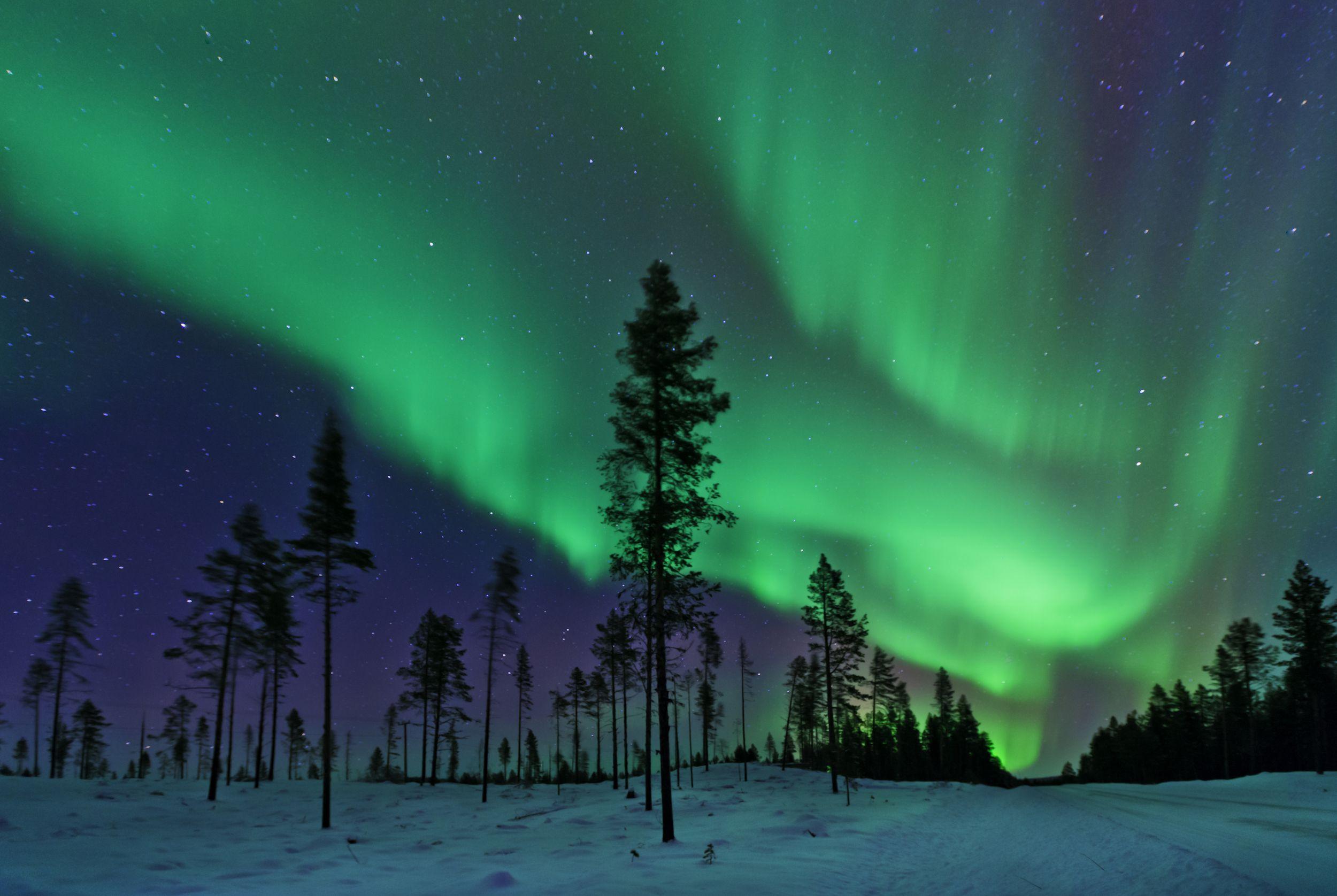
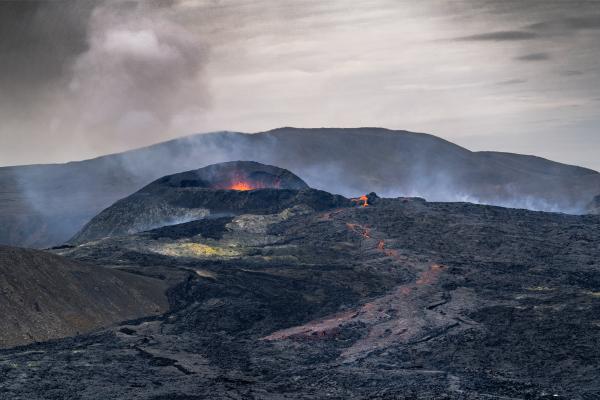
Iceland is, quite literally, a country in the making, a vast volcanic laboratory where mighty forces shape the terrain: geysers, seething mud pools, ice-covered volcanoes and glaciers that cut their way through the mountains. Its uniqueness has brought it to the top of the list of must-see destinations, as it fascinates nature lovers and amazes thousands of visitors. The wonders of this spectacular Nordic land seem endless. But you have to start exploring it somewhere, so we suggest our 13 things to see and do in Iceland.
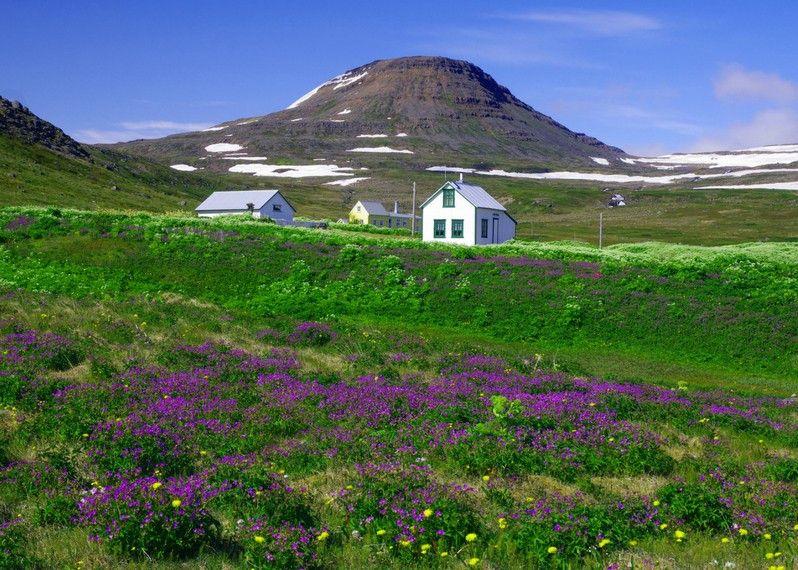
The beautiful panorama of Hornstrandir National Park, Iceland. ©Bildagentur Zoonar GmbH/Shutterstock
1. Westfjords in Iceland
Iceland's natural spectacles reach their zenith in the Westfjords, a favourite destination for those seeking off-the-beaten-track Icelandic itineraries. The wide beaches along the south coast are inhabited by noisy bird colonies, steep fjords carve the coastline and a network of bumpy roads wind their way across the peninsula adding to the feeling of adventure.
The Hornstrandir Peninsula, to the north, is an extreme frontier, where cliffs are vertiginous, foxes roam undisturbed and hiking trails lead to pristine areas that verge on the Arctic Circle.

The inevitable swim in the Blue Lagoon, Iceland. ©rayints/Shutterstock
2. Natural hot water pools in Iceland
One of Icelanders' favourite pastimes is splashing around in the geothermal water that nature provides in abundance. There are hot-water pools everywhere, from the centre of Reykjavík to the secluded ends of the Westfjords. As well as being incredibly relaxing, they are a great way to cure hangovers or socialise (they are veritable meeting places, the equivalent of the neighbourhood bar or square).
At the top of the list is Bláa Lónið (Blue Lagoon), the steaming lagoon rich in silica deposits, located near Keflavík airport: the perfect farewell to the country before heading home.

Sunset in the ice of Jökulsárlón, Iceland. ©Matt Munro/Lonely Planet
3. Discovering Iceland's ice
A ghostly procession of luminescent icebergs floats slowly over the 25-square-kilometre Jökulsárlón lagoon before taking to the sea. This surreal scenery (next to the Hringvegur track) is the set of many films: it appears in Batman Begins (2005) and in the film 007 - Death Can Wait.
The ice breaks off from Breiðamerkurjökull, an offshoot of the mighty Vatnajökull ice cap. Boat tours are very popular, but you can also walk along the shore, looking for seals and taking photographs.
Sign up for our newsletter! For you weekly travel tips, special offers, stories from the world and 30% discount on your first order.

The breathtaking view en route on the Ring Road. Iceland. ©adrenalinerushdiaries/Shutterstock
4. Ring Road in Iceland
There's no better way to explore Iceland than by hiring a car and driving along Iceland's Highway 1, called the Hringvegur (or Ring Road), a 1,330-kilometre ribbon of asphalt that circles the island, passing through green valleys full of waterfalls, glacial tongues breaking off glacier caps, desolate stretches of grey sand and mossy lava fields.
It is truly spectacular, but don't forget to take a few detours: use the Hringvegur as the main artery and go out following the roads into the wilderness.

An old pier at Siglufjörður in northern Iceland. ©Pall Jokull - www.flickr.com/photos/palljokull/Getty Images
5. Tröllaskagi Peninsula
Exploring the Tröllaskagi Peninsula is a joy, especially now that a tunnel connects the towns of Siglufjörður and Ólafsfjörður. Stops not to be missed include Hofsós, with a swimming pool ideally located by the sea, Lónkot for its local products and Siglufjörður for its Herring Museum.
You will also find beautiful views, hiking trails, ski slopes (also for heli-skiers), craft breweries, whale-watching tours and ferries to Grímsey and Hrísey.

Northern lights on Iceland's Snaefellsnes Peninsula. ©ariiet/Shutterstock
6. Snæfellsnes Peninsula
With an array of sandy beaches, bird sanctuaries, horse farms and lava fields, the Snæfellsnes Peninsula is one of Iceland's most beautiful destinations, whether for a day trip from the capital or a long, relaxing weekend.
No wonder it has been nicknamed 'Iceland in miniature': it boasts a national park and a volcano topped by a glacier. Jules Verne had it all figured out when he saw in the ice cap of Snæfellsjökull the magical access to the centre of the Earth.

Hamborgara Búllan, a traditional meeting place at the harbour in Reykjavík, Iceland. ©Egill Bjarnason/Lonely Planet
Read also:
7. Discovering Reykjavík in its bars and cafés
Little Reykjavík boasts all the attractions you would expect from a European capital (excellent museums and shopping opportunities), but the number of cafés per capita is really surprising. In fact, social life here revolves around these simple establishments where the atmosphere warms up as the hours go by, when people switch from tea to beer and start to dance to music. Local cappuccinos and beers are served with great solemnity even to passing fashionistas sporting worn-out lopapeysur (typical Icelandic wool jumpers).

The glacial lake of Jokulsarlon in Vatnajökull National Park, Iceland. ©Gary Latham/Lonely Planet
8. National Parks in Iceland: Vatnajökull
Europe's largest National Park covers almost 14% of Iceland's territory and protects the imposing Vatnajökull, the largest ice cap after the poles (it is three times the size of Luxembourg). Dozens of smaller glacial tongues flow from the icy central mass, while below are active volcanoes and mountain peaks.
Hence the stereotype of the 'land of ice and fire': you will be fascinated by the variety of views, hiking trails and activities that this huge park offers. There are numerous access points: start from Skaftafell in the south or Ásbyrgi in the north.
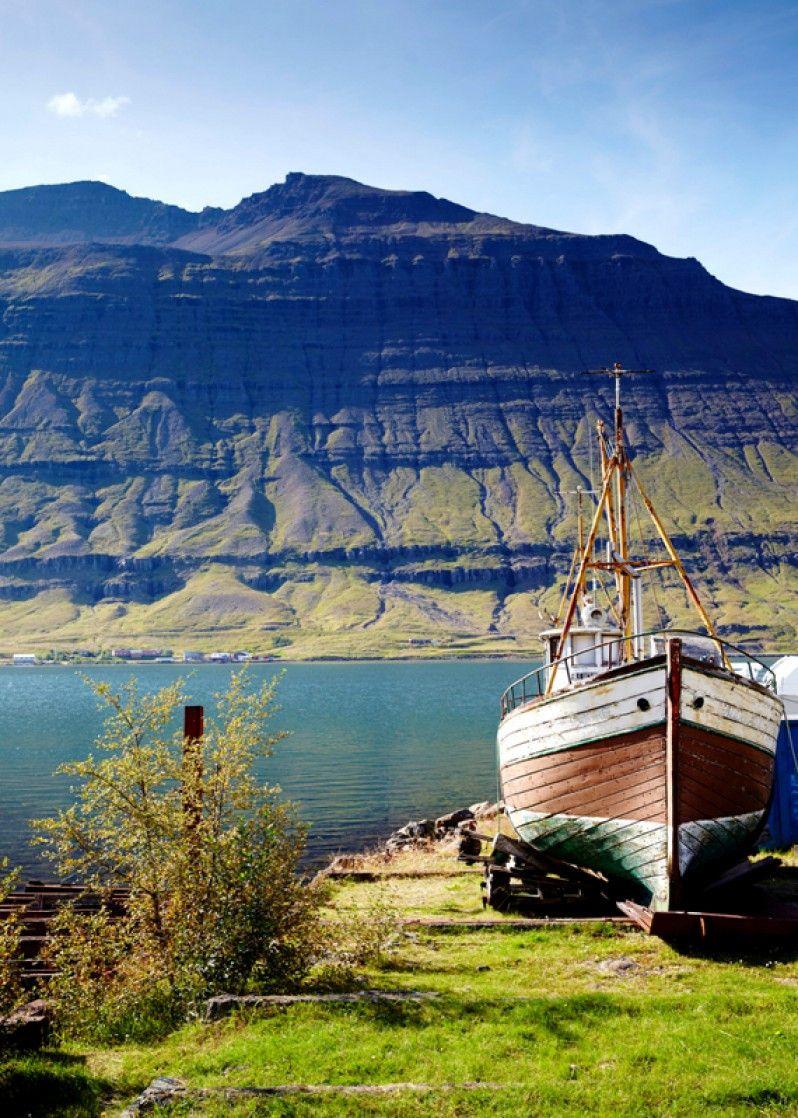
A fishing boat rests on the fjord at Seyðisfjörður, Iceland. ©Matt Munro/Lonely Planet
9. Must-see towns in Iceland: Borgarfjörður Eystri and Seyðisfjörður
Of these two towns in the East Fjords, artistic Seyðisfjörður wins over most tourists because it is only 27 km of paved road from Hringvegur and welcomes the weekly ferry from Europe in its embrace of mountains and waterfalls.
The beautiful Borgarfjörður Eystri, on the other hand, is 70 km from Hringvegur, much of it bumpy and unpaved, but there you will find puffins and rhyolite peaks. Both fjords offer natural wonders and hiking trails.

The spectacular Skogafoss waterfalls near Skogar. Iceland. ©Standret/Shutterstock
10. Fimmvörðuháls for an adventurous trek in Iceland
If you don't have time to complete one of the many possible multi-day treks, the 23 km walk to Fimmvörðuháls Pass can be done in a day and is very rewarding. Start at the thunderous Skógafoss waterfall, climb inland and discover a veritable parade of waterfalls. Then tread carefully over the steaming remnants of Eyjafjallajökull's eruption, before continuing into a flowery realm that culminates in the silent Þórsmörk, an oasis for campers, surrounded by glacial ridges.

Askja is a remote volcano with warm blue waters, perfect for a swim. Iceland. ©Steve Oldham/Getty Images
Read also:
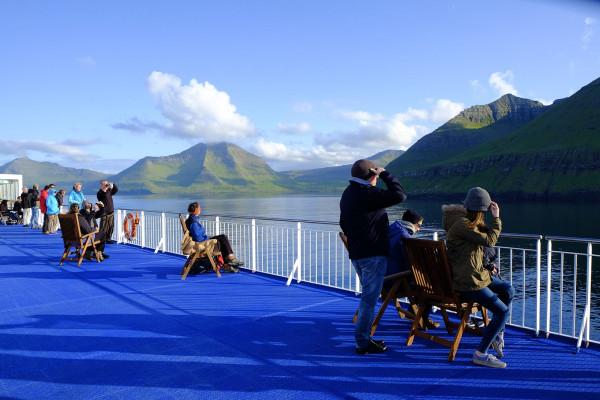
11 Askja and surroundings, discovering Iceland's volcanoes
Only accessible for a few months of the year, Askja is a gigantic caldera in the mountains that encloses a beautiful sapphire lake. To reach it, you will need an off-road vehicle, a few days' trekking or a ride in a superjeep.
The highland excursions include river fords, vast lava fields, spectacular mountains, outlaw hideaways and often a swim in geothermal waters. In addition, from Askja one can head south to visit the coolest lava field in the country, at Holuhraun.
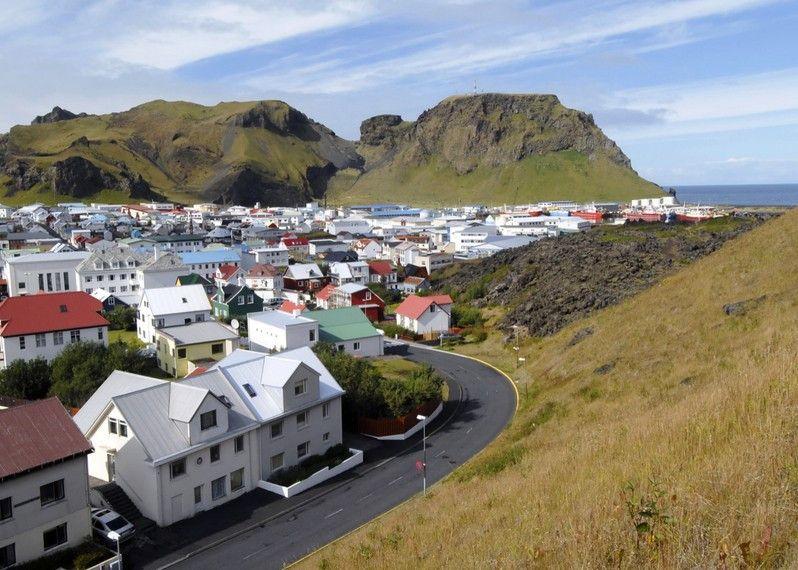
The town of Heimaey, in the Vestmannaeyjar archipelago, Iceland. ©Chris Howey/Shutterstock
12. Vestmannaeyjar
An archipelago of craggy peaks off the coast, the Vestmannaeyjars are just a 30-minute ferry ride from mainland Iceland, but seem so far away in terms of atmosphere.
A boat trip among the islets will expose you to squawking seabirds, high cliffs and picture-postcard views with hunting lodges perched on the rocks. The 4000 inhabitants are concentrated in Heimaey, a town of wind-swept cottages with a curl of frozen lava flowing through, reminding everyone of Iceland's changing landscape.

Puffins. ©Menno Schaefer/Shutterstock
13. Puffins and whales
The stars of Iceland's fauna are the two most charismatic creatures: the funny puffin, fluttering like an agitated bumblebee, and the various species of whale (including the blue whale) that inhabit the cold waters around the coast.
There are many opportunities to admire both, at sea and from land: the heart of whalewatching is Húsavík, but other northern cities and even Reykjavík offer boat trips. Puffin colonies populate various reefs and offshore islands, including Heimaey, Grímsey, Drangey, Látrabjarg and Borgarfjörður Eystri.