So eagerly awaited and so dreaded, August is on its way: the month of the long-awaited holidays, the month when you can finally pack your suitcase and leave, but also one of the most popular months, when you risk having to share beaches and views with too many other people. So here are our favourite destinations for an August of unspoilt beauty and exotic paradises.
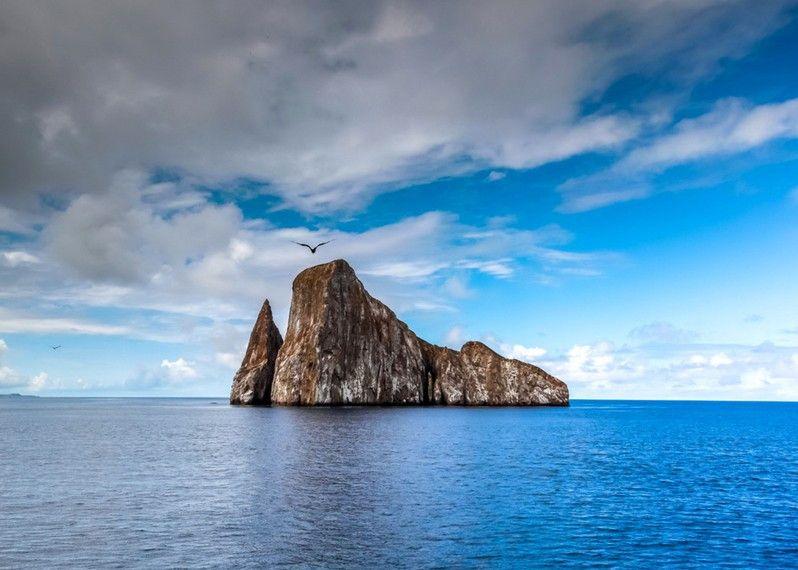
San Cristobal Island, Galapagos, Ecuador. ©PatricioHidalgoP
Ecuador
Why now? To climb volcanoes, delve into the rainforest and stroll through local markets.
Little Ecuador encompasses all the best of South America. It offers colonial architecture in Quito and Cuenca; Inca ruins in Ingapirca; traditional markets in Otavalo, Saquisilí and Zumbahua; magnificent peaks (including Cotopaxi, a truly postcard-perfect silhouette) along the 'Volcano Route'; as well as a wealth of animals in the heart of the Amazon, the Galapagos and the Northern Cloud Forest.
Both the highlands and the forest experience their dry season in August, the ideal time to enjoy the country's cultural attractions, climb volcanoes or go white-water rafting in its many rivers. Moreover, Ecuador is always a bargain, and staying overnight can be really cheap.
The journey
From the capital Quito head north to spot the iridescent hummingbirds of the Mindo cloud forest and to visit the bustling market of Otavalo. Then head south to Cotopaxi or Chimborazo, soak in the hot thermal waters of Banos, explore the Inca ruins of Ingapirca and admire historic Cuenca. A cruise through the heart of the Amazon along the Napo River (with a stay in one of the magnificent locally run ecolodges) is well worth the expense.
Recommended guides and products:
Travel guide
Ecuador and Galapagos
Cook Islands
Why now? To snorkel in crystal-clear lagoons and among coral.
These heavenly Pacific islands are at their best in August, when rainfall is rare and the turquoise lagoons are warm and welcoming. Rarotonga, the largest of the Cook Islands, is also the busiest, because of the lush volcanic cones that rise from the ocean waters and a kind of natural infinity pool that hugs its coastline to the east and south.
Here the coconut palms sway in the breeze, the beaches have fine white sand; it is really hard to get away from the sea. It's worth it, though: snorkelling and diving in the Cooks (particularly off the east coast of Muri) will give you unforgettable views; and if you like to stay dry, the island's interior offers wonderful excursions.
The fascinating Maori culture becomes accessible during 'island nights', a riot of dancing, singing and local kai (food). For more relaxation, fly to Aitutaki, a desert idyll with a breathtaking lagoon and warm waters.

The Viti crater in Askja, Iceland. ©Andrej Sevkovskij/Shutterstock
Iceland
Why now? To immerse yourself in an almost supernatural landscape.
NASA astronauts were trained here to deal with lunar conditions. Come here and you will understand why. Iceland is one of the most desolate places on the planet, and the weather conditions remain extreme for much of the year. If you want to come, August is the best (in fact, practically the only) choice for visiting lava fields, volcanic craters and rugged rocky landscapes.
Some historic trails wind their way through the peaks of the interior, creating shortcuts linking north and south, and some sections are only accessible by off-road vehicle. Getting there is a feat, splendidly rewarded by the sight of mighty, fascinating, unusual panoramas, interrupted by turquoise lakes such as Víti in the vast Askja caldera; mountains such as Herdubreid, also known as the 'Queen of the Desert'; as well as bizarre formations such as the ice caves at Kverkfjöll. If you feel up to it, do some hiking. The journey: Fly into Reykjavík, hire the toughest off-road vehicle you can find and stock up on provisions. The least demanding road is the Kjölur, and in summer there is also a bus.
Things to know
There are a few huts in the interior, but if you want to stay overnight in the summer, book well in advance.
Sign up for our newsletter! For you weekly travel tips, special offers, stories from the world and 30% discount on your first order.
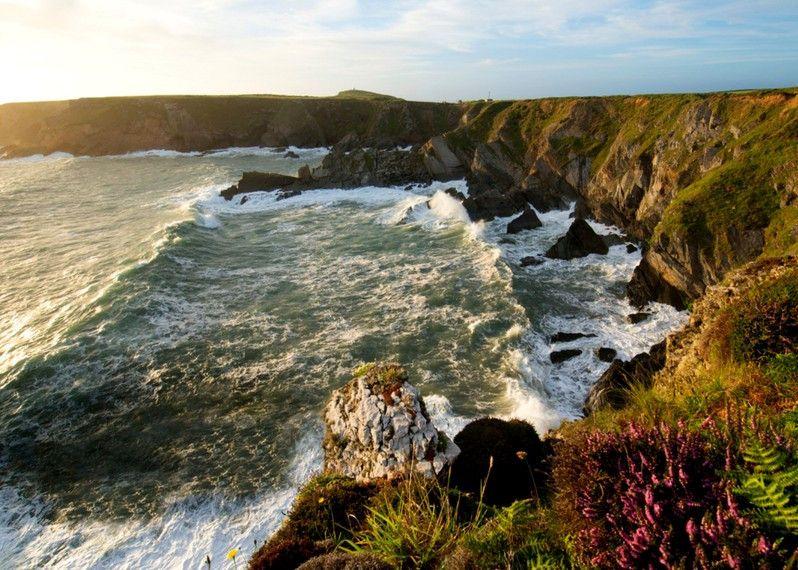
The spectacular Pembrokeshire coastline as seen from Marloes Sand. ©Pete Seaward/Lonely Planet
Pembrokeshire, Wales
Why now? For an adrenalin rush and rich family-sized adventures.
Wide beaches, pretty fishing villages and cliffs dotted with seabirds: the Pembrokeshire coastline has long competed with Cornwall for the title of Britain's best-loved coastline, even though it attracts a tenth of the tourists.
Of course, in August you will not be alone, but you will always find a stretch of beach to yourself. And you'll do plenty of activities: hiking, coasteering, climbing, cycling, surfing and kayaking are the minimum here. Add to that the atmospheric castles of Pembroke, Carew and Manorbier, St Davids Cathedral, porpoise spotting cruises and boat trips to the island paradises of Skomer, Skokholm and Ramsey, and you have enough adventures for the whole month.
The trip
Base yourself in a seaside village like Tenby or Manorbier in the east, Lower Solva or Porthgain in the west, Fishguard or Newport on the north coast, or in historic St David's, home to the country's smallest cathedral.
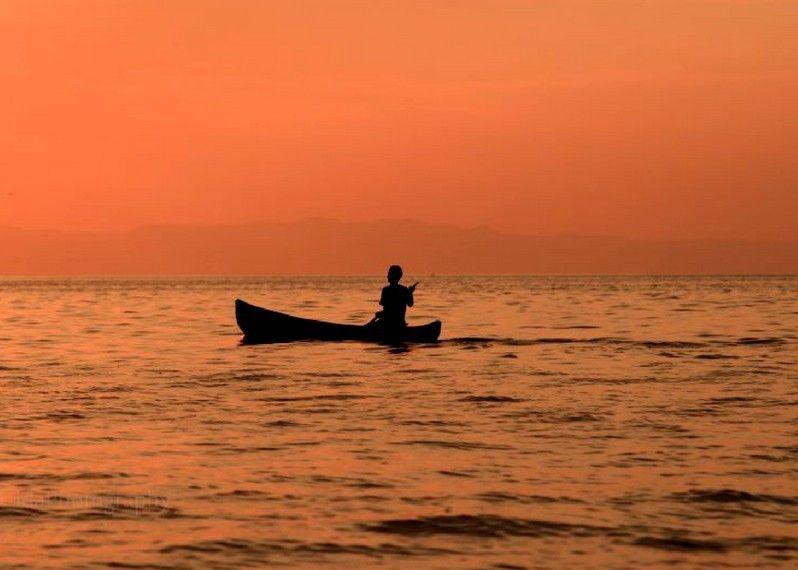
Canoeing on Lake Malawi. ©Lloyd Archer/Lonely Planet
Malawi
Why now? To enjoy the good weather in the 'Warm Heart of Africa'.
Malawi reveals itself little by little. Its natural parks are not the largest on the continent (although they are rich in wildlife); its mountains are not the highest (although Mount Mulanje is magnificent); and it does not have a sea view (although Lake Malawi has quiet and beautiful beaches). But there is a special pleasantness, conveyed by the inhabitants and the landscape, that will win you over
August is one of the most enjoyable months, with clear days, cool nights and clear skies - ideal for lounging by the lake or kayaking among its lush islets. Wildlife sightings are also more likely at this time. Liwonde National Park is for those who love elephants, antelopes and hippos (spotted on cruises on the Shire River); the Majete Wildlife Reserve is home to the Big Five (the five largest animals on the planet).
The journey
Malawi is long and narrow, and the capital Lilongwe, dominated by the lake of the same name, lies roughly in the middle. Head south to get to know Liwonde and Majete, returning to Lake Malawi to relax on the beach, and then touch down on Mumbo Island, just off Cape Maclear.
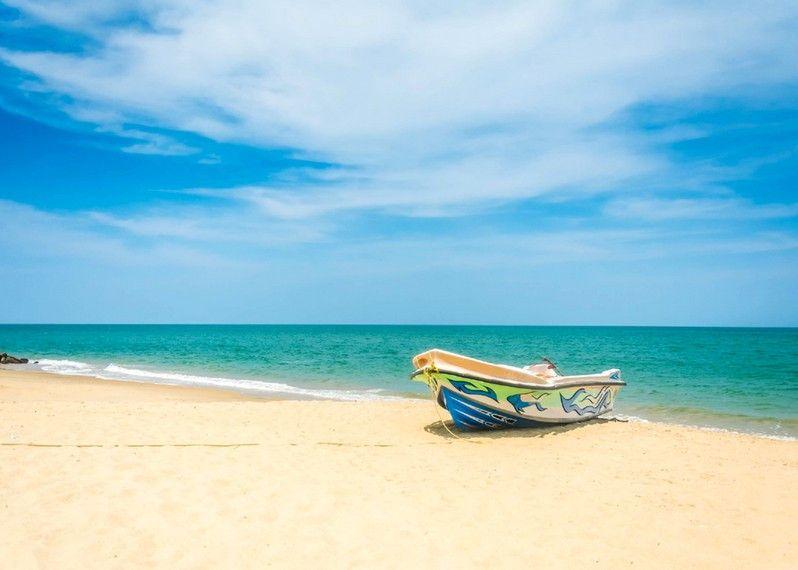
Kalpitiya beach, Sri Lanka. ©shutterlk/Shutterstock
Sri Lanka
Why now? To laze peacefully on a white beach by the Indian Ocean.
The north-eastern part of Sri Lanka in August is a great destination for three good reasons: the climate is enviable, the prices affordable, the beaches peaceful. Unlike the south-western region, which is rainy during this period, here you will find blue skies, warm waters and ideal surfing conditions (especially at Arugam Bay).
The area has been off limits due to the civil war, so the coast does not have many accommodations, but beautiful beaches at Nilaveli, Uppuveli and Passikudah. The climate is also dry in the centre, perfect for visiting the fortress of Sigiriya and the spiritual centre of Kandy, which during the Esala Perahera celebrations teems with life, colour and enthusiasm (the festival is dedicated to a relic, Buddha's tooth). The excellent spicy specialities of the local cuisine are addictive!
The journey
Colombo is well connected by international flights; domestic flights take you to Batticaloa, but Trincomalee and the north-eastern beaches can be reached by train, bus or taxi.
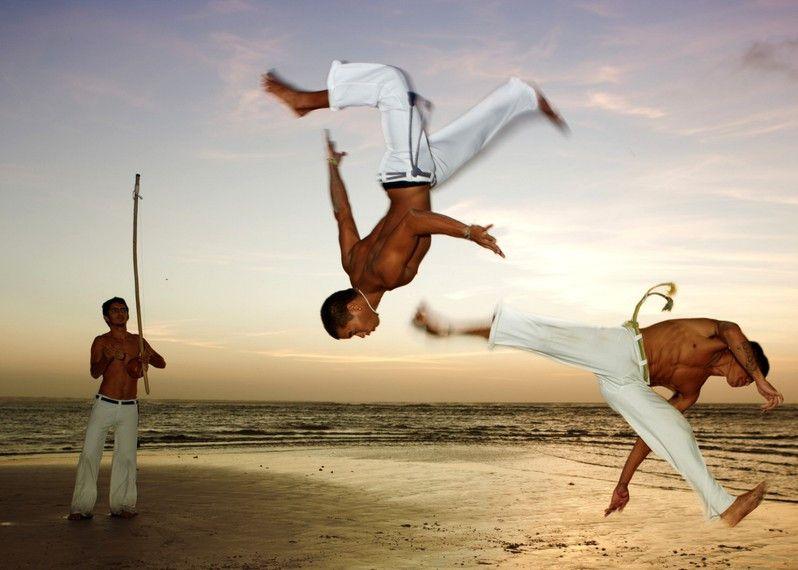
Capoeira on the beach in Jericoacoara, Brazil. ©craftvision/Getty Images
North-East Brazil
Why now? To dive into crystal-clear waters among golden sand dunes.
A few years ago word got around that Jericoacoara was a noteworthy place, so this paradise beach, offering water sports, capoeira lessons and a casual, relaxed atmosphere, is no longer a secret. Yet the stretch of Brazilian coastline from Sao Luís to Fortaleza continues to be a special place.
Here you will find dozens of opportunities to enjoy sea and sun and to practice sports such as surfing, windsurfing and kitesurfing. Also here is the Parque Nacional dos Lençois Maranhenses, a vast expanse of sand dunes interspersed with inviting natural pools (full in August) as well as mangroves, lagoons and turtles.
Worth knowing
The Pôr do Sol (sunset dune) of Jeri is considered one of the few places in the world from which you can see the 'green ray', an emerald streak of light that briefly crosses the sun disappearing behind the horizon.
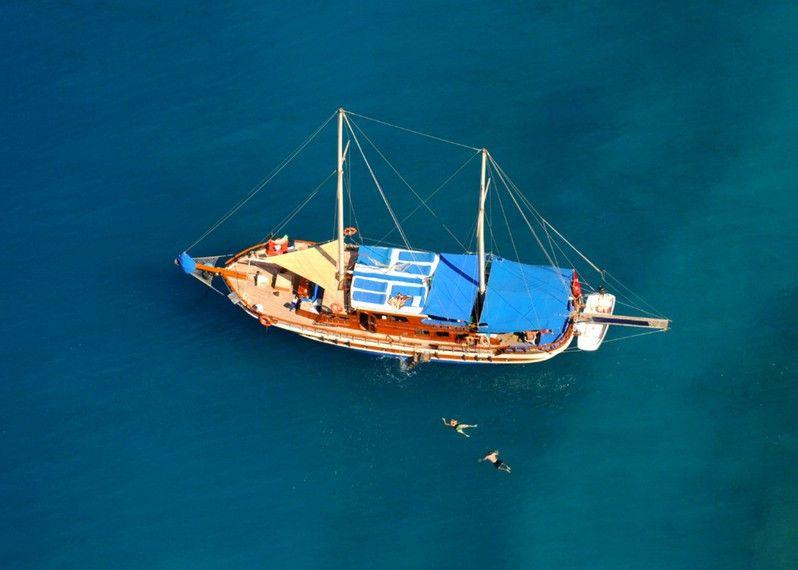
Gulets are the typical Turkish boat, perfect for venturing into the blue Mediterranean. ©Kenan Olgun/Getty Images
Turquoise Coast, Turkey
Why now? To sail the warm waters of the Mediterranean in a gület.
If your idea of an August paradise is to dive from the deck of a traditional Turkish boat(gület) into the fantastically blue waters of the Mediterranean, know that you are not alone. In the 1920s, the famous Turkish writer Cevat Şakir Kabaağaçlı began chartering the boats of local sponge fishermen to go on long solitary crossings along the Turquoise Coast from Bodrum, immersing himself in what he called 'the blue voyages'.
In the decades that followed, Turks and foreigners followed his example, and to this day a small fleet of vessels - some more traditional, some less so - ply the waters of the coastline flanking Bodrum, Marmaris and Fethiye, stopping to visit historical sites such as Letoön and Patara, or for a swim, a day on the beach, a dinner; it is the ideal family holiday.
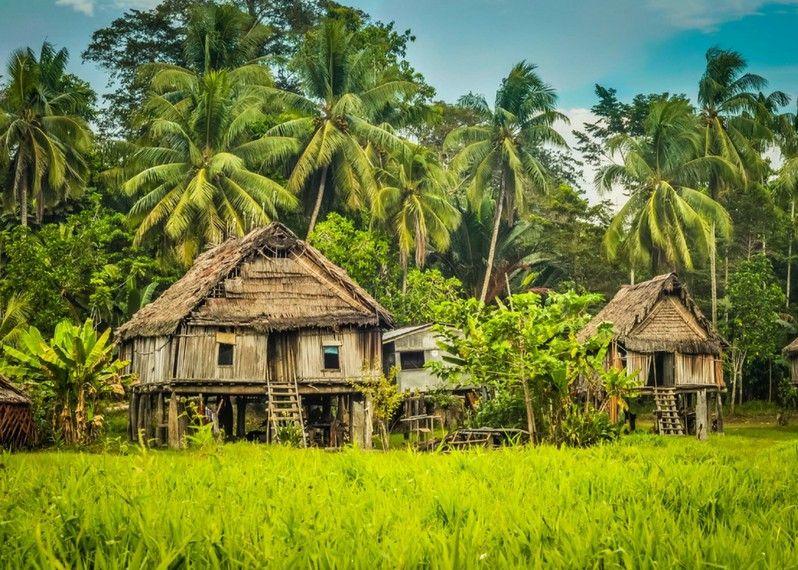
Typical dwellings in Palembe, along the Sepik River in Papua New Guinea. ©Michal Knitl/Shutterstock
Papua New Guinea
Why now? To meet the local people and wander through the country's lush forests.
Papua New Guinea is a destination for the true explorer, the intrepid who seek a journey full of discovery and excitement. It is also a country where local tribes will welcome you with song and dance and flamboyant traditional feathered headdresses.
August is the ideal month to venture into these wildernesses, as the rains are at a minimum and two traditional 'songs' resound through the trees: those of the Sepik River crocodile festival in Ambunti, and the Mount Hagen cultural festival, both of which are gathering places for dozens of local tribes in an explosion of music and dance. If you want to explore, follow the 95-kilometre-long Kokoda Track, and you will be able to spot the bird of paradise (the magnificent male specimens, to be precise, from August to February). If you are lazy, know that there is no shortage of beaches here....
The journey
Travelling independently can be difficult: the infrastructure is poor and poorly maintained, and many areas are only accessible by plane or boat, so it is best to opt for a guided tour.
This article was updated in July 2019.
Published in July 2018